Legality & Privacy
Are HOA Drone Inspections Legal in Florida?
A plain-English answer for boards: when an HOA can fly a drone over a community, what Florida law says, and how to handle resident privacy.
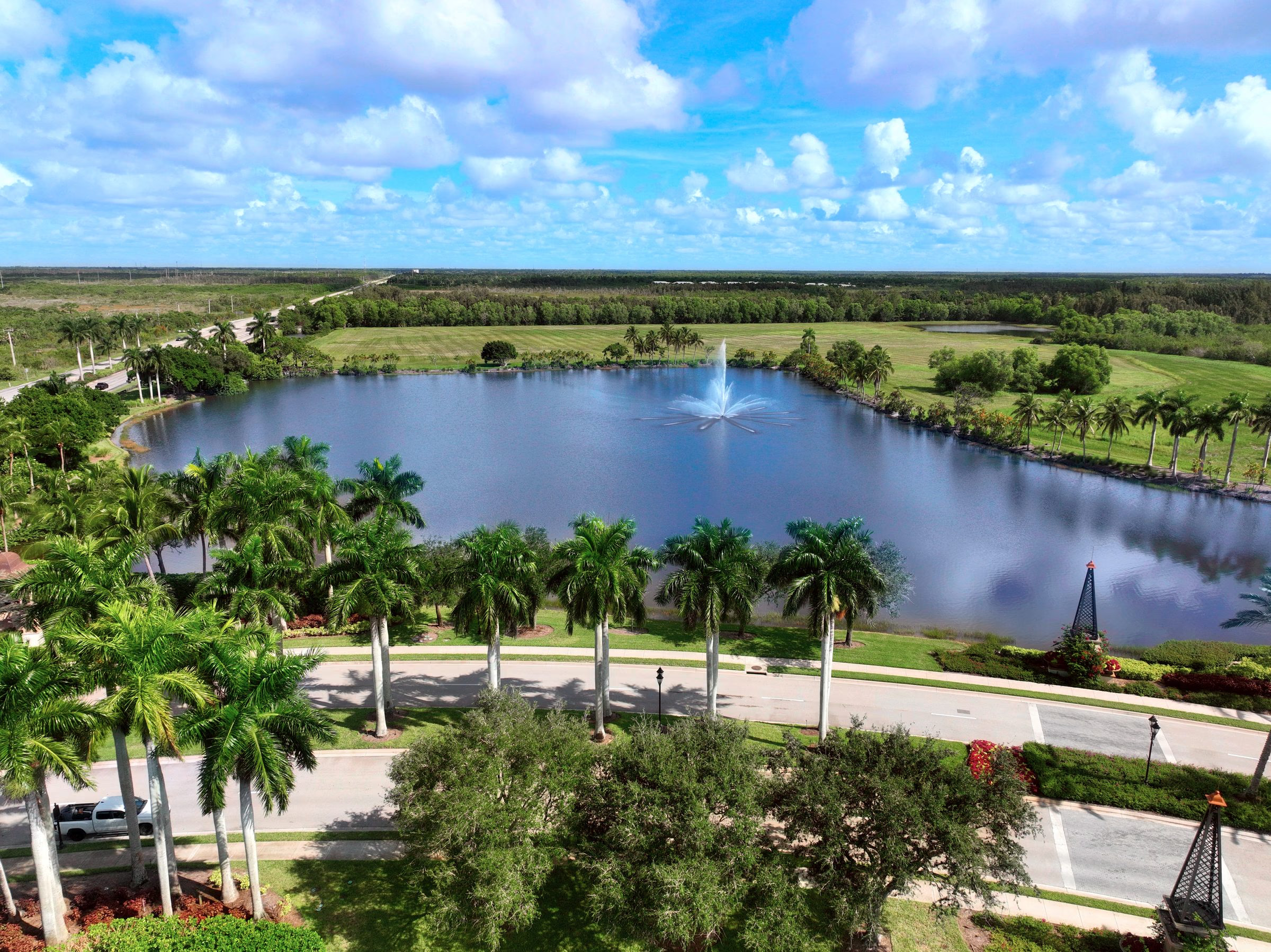
Short answer: yes. A Florida HOA can legally document its own common areas from the air, as long as the flight is done by a licensed operator and stays away from private interiors. The nuance is in how you handle resident privacy and which parts of the community you photograph. Here is what the law actually says, and how careful boards stay on the right side of it.
Key takeaways
- Florida associations can document common areas: shared grounds, roofs of common buildings, roads, and amenities.
- Fla. Stat. 934.50 restricts using a drone to surveil private property, not documenting shared areas.
- Residents have no reasonable expectation of privacy in common areas they already walk through.
- Use a Part 107 licensed operator, and remove identifiable people from imagery before processing.
What Florida law actually restricts
Florida’s Freedom from Unwarranted Surveillance Act, Fla. Stat. 934.50, is the statute people point to. It targets using a drone to record someone on privately owned property where they have a reasonable expectation of privacy, for the purpose of surveillance. That is aimed at spying into a fenced backyard or through a window, not at photographing the roofs, roads, and grounds a community owns in common.
For an HOA or community association, the everyday use is common-area documentation. The board is recording property it is responsible for, on a schedule, to manage it. That is a different activity from surveillance, and it is the reason this work is done routinely across the state.
You are documenting the property the association owns, not watching the people who live on it.
Common areas versus private property
The clean line to keep in mind: shared spaces are fair to document, private interiors are not.
- Fair to document: roads, sidewalks, lakes and ponds, clubhouses, pools, landscaping, the roofs and exteriors of common buildings, and the community from above as a whole.
- Off limits: the inside of a private home, an enclosed private yard, or any flight whose purpose is to watch a specific resident.
A resident standing in a common area has the same privacy they have when a neighbor walks past: effectively none, because the space is shared. That is the legal footing common-area flights rest on.
How careful communities handle privacy
Being legally in the clear is the floor. Boards that avoid friction go a step further and manage the optics too, not only the law.
Before your community's first flight
We remove people from the imagery before processing, so what the board receives is a clean record of the property. That single step answers most of the privacy questions a resident is likely to raise.
One dated record the whole board can open.
Common-area flights land in a shareable Viewer, so every board member sees the same dated view without a site visit or a privacy worry.
See the Community Viewer
Common questions
Can an HOA fly a drone over your property?
Do residents have a privacy right against community drone flights?
Does the pilot need a license?
This is general information, not legal advice. Governing documents and local rules vary, so confirm the specifics with your association attorney before your first flight.
Document your community the right way.
Talk to us