Cost & Pricing
What FPV Drone Video Adds to a Brand or Property Film
FPV drones fly like a camera on rails through the air. Here is what the technique adds to a brand or property film.
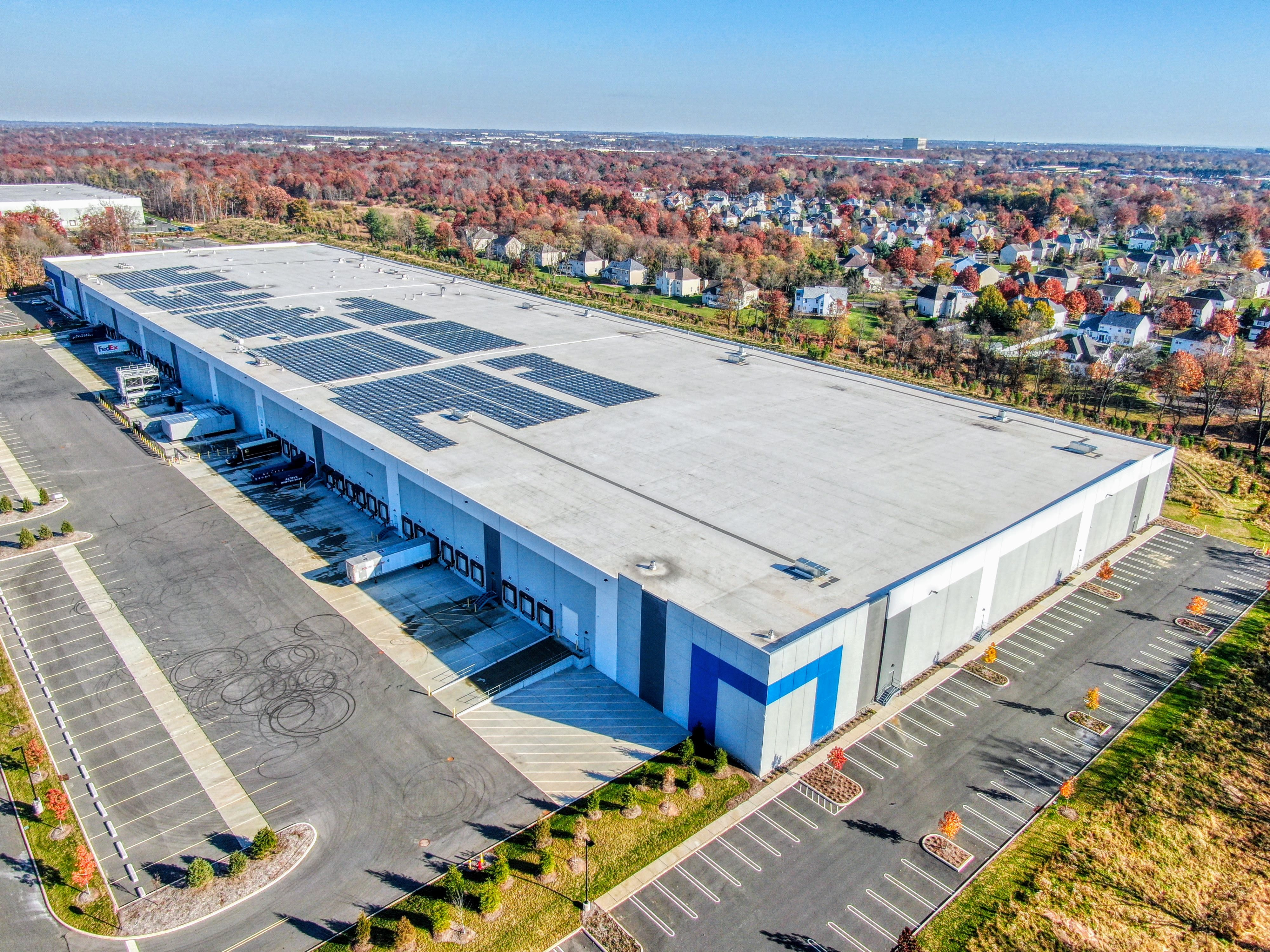
Standard aerial footage shows a place from above. FPV footage moves through it. The pilot flies the aircraft like a camera on rails — diving toward a rooftop, rising past a facade, threading a tight approach — and the viewer feels the space instead of just seeing it. Here is where that technique earns its place.
Not legal advice
This article is informational and educational. It does not constitute legal advice and does not replace consultation with an attorney, a certified remote pilot, or the FAA. Regulations can change — always verify current rules with the official source before acting.
Key takeaways
- FPV flies the aircraft like a camera on rails — moves a normal aerial cannot.
- It reads as cinematic, which is why it fits brand and destination films.
- A standard shoot still wins for straight roof and progress records.
- Legal and safe only when flown by a Part 107 pilot who plans the line.
What FPV actually is
FPV (first-person view) flying puts the pilot flying the aircraft by its motion, not by watching it hover. That unlocks lines a standard drone cannot fly: a dive, a swoop, a tight turn through a gap. The footage feels like a stabilized camera that happens to be airborne, which is why it lands as cinema rather than as a map.
Standard vs FPV
| If your goal is… | Best tool |
|---|---|
| A roof or progress record | Standard aerial |
| A property overview for a listing | Standard aerial |
| A brand film or destination reveal | FPV |
| A walkthrough with a wow moment | FPV |
Neither is “better.” They solve different problems. A roof inspection does not need a dive; a brand launch does.
When FPV is worth it
FPV earns its place when the point is to make someone feel a place — a development reveal, a hospitality film, a property that needs to stop the scroll. For a dated, matter-of-fact record, a standard shoot is faster, cheaper, and exactly right. The skill is knowing which one the job needs before the props spin.
And it is safe only in planned hands: a Part 107 pilot who scouts the line, checks the airspace, and builds in failsafes. The moves look reckless on screen and are not in practice.
What is FPV drone video, in plain terms?
When is FPV worth the upgrade over a standard shoot?
Is FPV legal and safe for a paid job?
Make them feel the place.
Request a quote