Cost & Pricing
What to Ask Before You Hire a Drone Company in Florida
Nine questions to ask before hiring a drone company in Florida, with the reason each one matters and the answer that should make you walk away.
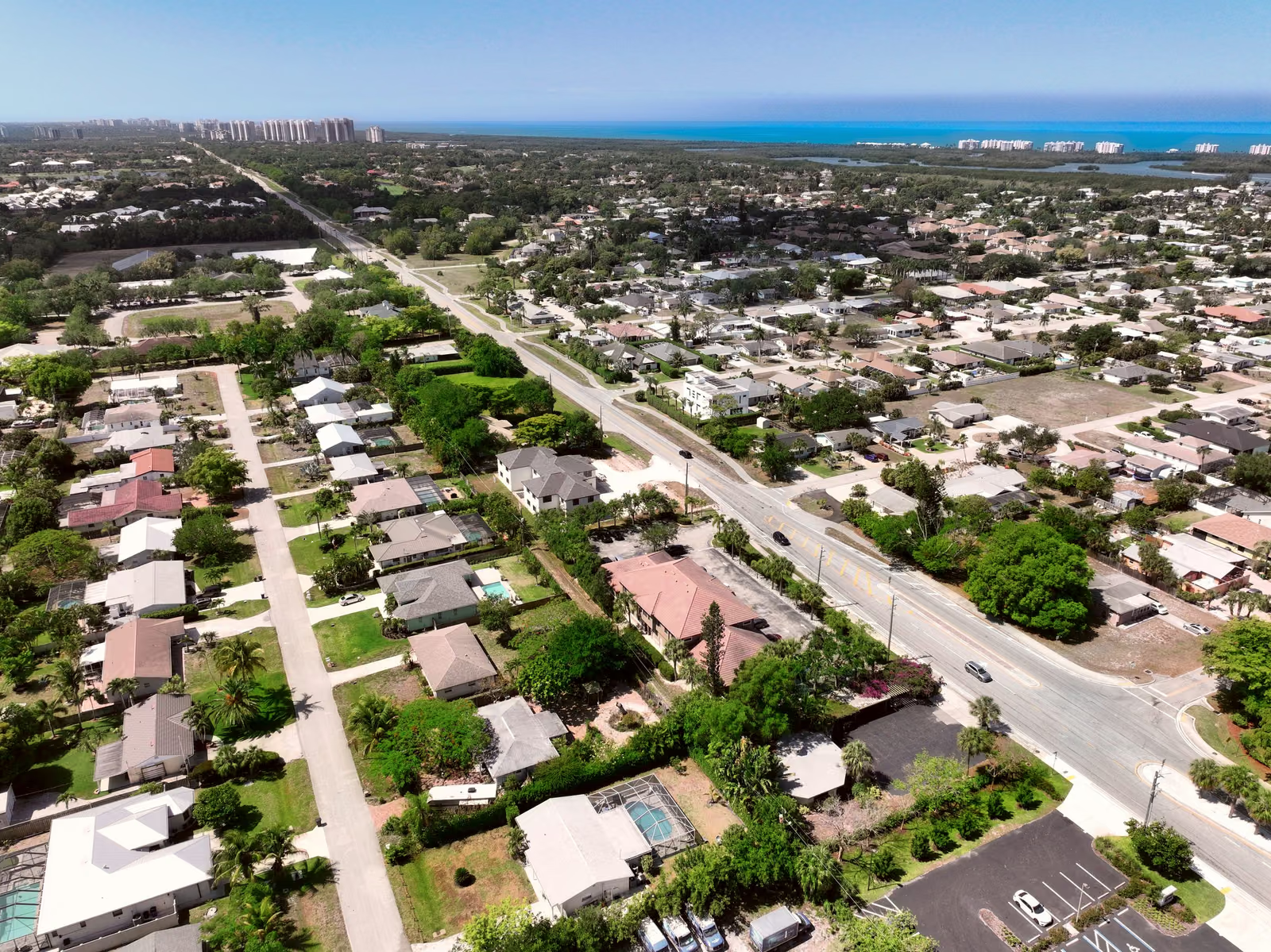
The questions to ask before hiring a drone company in Florida come down to nine: the pilot’s FAA certificate, proof of insurance, how they handle airspace, who owns the footage, how files are delivered, Remote ID, what happens when weather cancels, real references, and what the finished work lets you do. A good company answers all nine in a few minutes and puts the answers in writing. A weak one gets vague on the first or second.
This is the list for the buyer. If you want the legal background on why a licensed pilot is required at all, start with our guide to how to hire a drone pilot. This post picks up after that: you have a few names, and you need to tell them apart.
Not legal advice
This article is informational and educational. It does not constitute legal advice and does not replace consultation with an attorney, a certified remote pilot, or the FAA. Regulations can change — always verify current rules with the official source before acting.
Key takeaways
- Ask for the Part 107 certificate and a certificate of insurance before you discuss price.
- Airspace is the question most buyers forget, and in Florida it affects a large share of properties.
- Get ownership of the footage and the delivery method in writing.
- Real samples of jobs like yours tell you more than a reel of beach sunsets.
Questions to ask before hiring a drone company
1. Are you a certified Part 107 pilot?
Why it matters. Any flight done for business is a commercial flight under FAA rules and needs a pilot holding a Remote Pilot Certificate under 14 CFR Part 107. The rule requires the pilot to have that certificate available when flying (107.7). If the pilot is not certified, the flight is not legal for your job, and you are the one with a problem if something goes wrong on your property.
Red-flag answer. “I fly for fun but I do a lot of jobs for friends.” Or any answer that dodges the word certificate. Also be wary of “the company is certified.” The certificate belongs to a person, so ask who will be flying your site.
2. Can I see your insurance?
Why it matters. A drone that clips a gutter, a parked car or a person is a liability claim. Insurance is what keeps that claim away from you. Many property managers, HOAs and general contractors will not let a crew onto a site without a certificate of insurance, so having it ready is also a sign the company has done real commercial work.
Red-flag answer. “My homeowner’s policy covers it,” or “I’ve never had an accident.” Neither is proof. A professional emails a certificate the same day and will name you as an additional insured if the site requires it. PDS is fully insured and sends the certificate on request.
3. How do you handle airspace near airports?
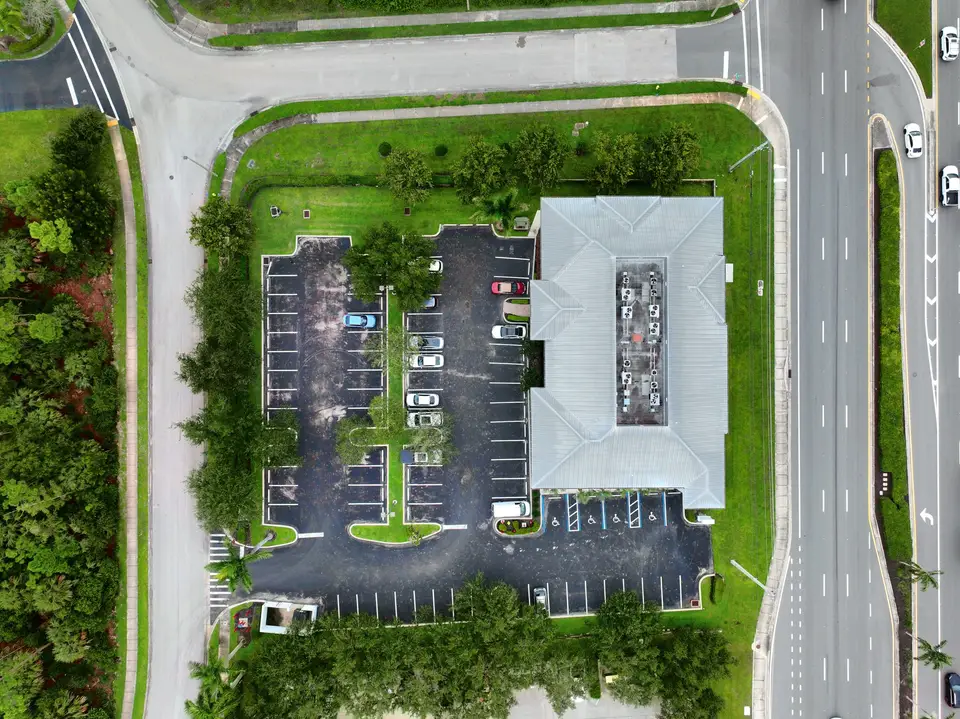
Why it matters. Much of Florida’s urban land sits in controlled airspace around an airport. Under 14 CFR 107.41, a drone cannot fly in that airspace without ATC authorization. Most of it comes through LAANC, an automated system that approves flights in minutes, but each map square has a ceiling between 0 and 400 feet, and some jobs need a separate FAA authorization filed well ahead of time. You can look up your address yourself with our airspace checker.
Red-flag answer. “We’ll just fly it,” or “that only matters for big airports.” Naples, Fort Myers, Sarasota and Orlando all have controlled airspace over neighborhoods people think of as far from any runway. A company that does not ask for your address before quoting has not checked.
4. Who owns the footage?
Why it matters. The default in many freelance arrangements is that the person who made the image owns the image, and you receive a license to use it. That license can be broad or narrow. If you plan to use the images in marketing, in a lender package, in a legal file or in a sale, you need to know whether you can do all of that, for how long, and whether the company can use your property in its own promotion.
Red-flag answer. “It’s all standard.” Ask for the terms in writing. A clear answer sounds like: you receive full use of the finished work for your business, here is what we keep, here is how we handle sensitive sites.
5. How are files delivered, and how long are they kept?
Why it matters. A flight is only useful if you can find the result a year later. Some companies send a link that expires in 30 days. Others hand over a folder of loose clips and call it done. If you are documenting a construction project, a roof before a claim or a community before a storm, you will want those images when the dispute or the renewal comes around.
Red-flag answer. “I’ll send you a Dropbox link.” That is fine for a one-off wedding video. For a site you will want records of, ask where the files live, how you will search them, and what happens if you need them in two years. PDS delivers through online Viewers for inspections, construction and landscape work, where every flight stays organized by date.
6. Is your drone compliant with Remote ID?
Why it matters. Remote ID is the FAA rule that has drones broadcast an identification and location signal during flight. It has been enforced since 2024, and an aircraft that does not comply can be grounded and its pilot fined. We cover the details in the Remote ID guide.
Red-flag answer. “What’s Remote ID?” This one is a quick test of whether the company keeps up with the rules at all. A professional answers in one sentence, and also describes a pre-flight safety check.
7. What happens if weather cancels the flight?
Why it matters. Florida weather is the most common reason a flight moves. Wind, afternoon storms, haze and low cloud change whether the flight is safe and whether the images are any good. What matters is how the company handles the delay: whether there is a penalty, how fast they rebook, and whether a rush option exists when you have a deadline.
Red-flag answer. “We fly regardless” or “no refunds, no reschedules.” A pilot who flies in marginal conditions to avoid the conversation hands you bad images and takes a risk with your property. Good companies decide on the day, tell you early, and offer a new slot quickly. PDS offers rapid turnaround, as fast as same day with rush.
8. Can I see work like mine?
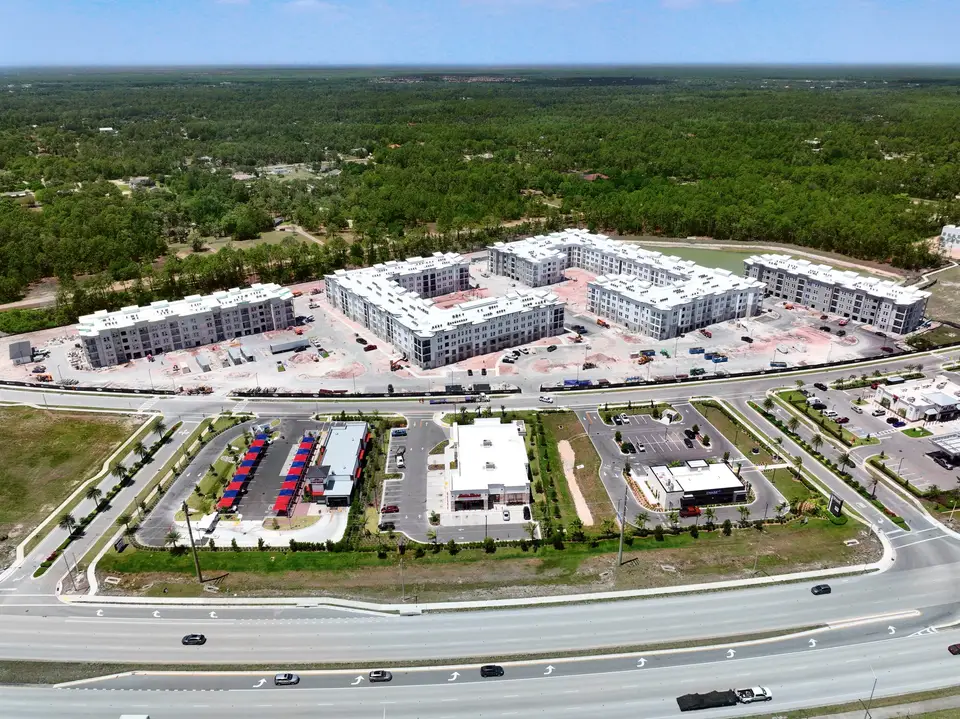
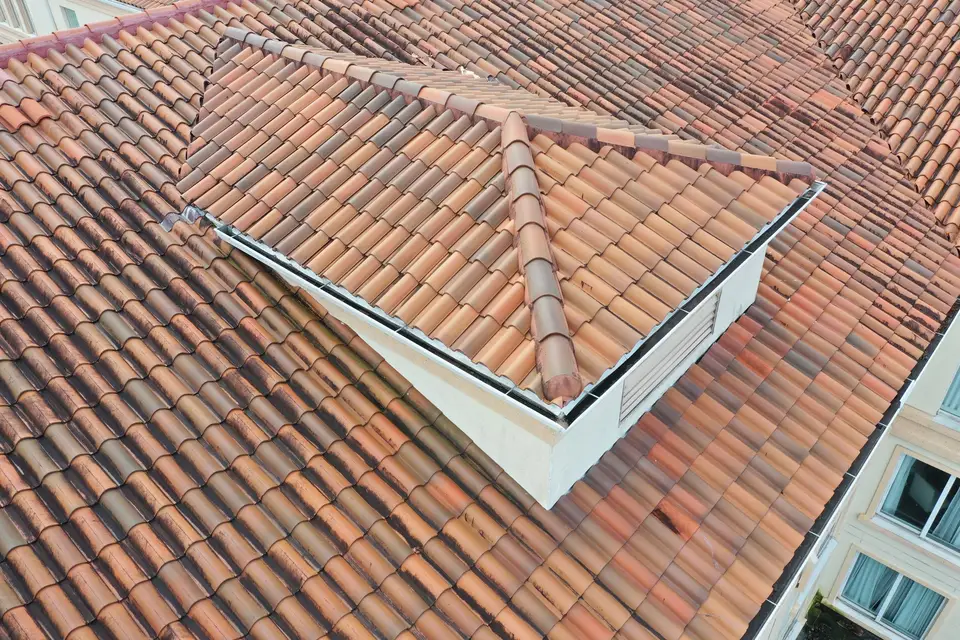
Why it matters. Drone work is not one skill. A cinematic property film, a roof inspection and a dated construction progress set use different angles, different altitudes and different editing. A beautiful beach reel says nothing about whether the company can document a roof so an adjuster accepts it.
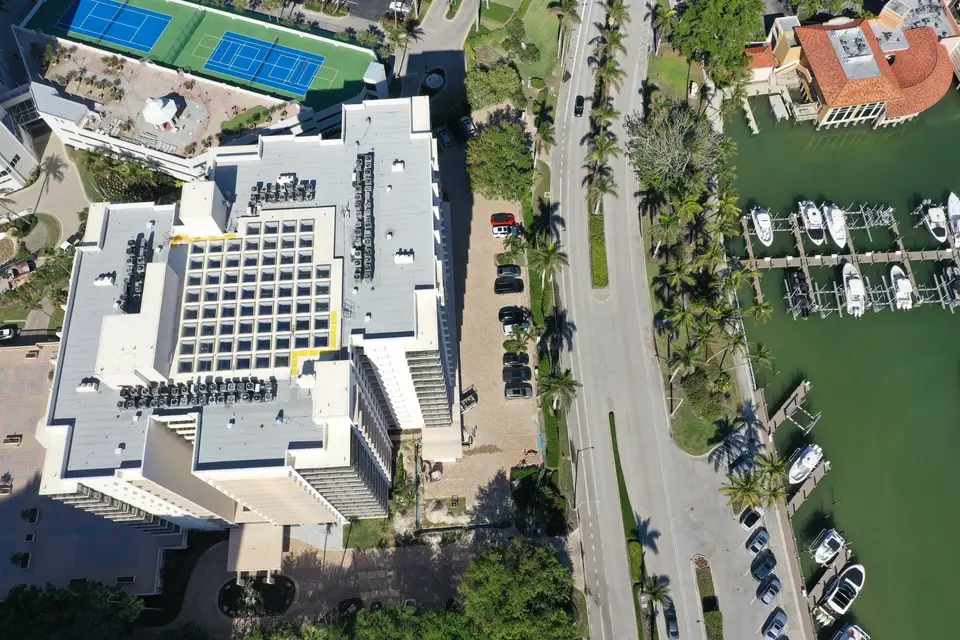
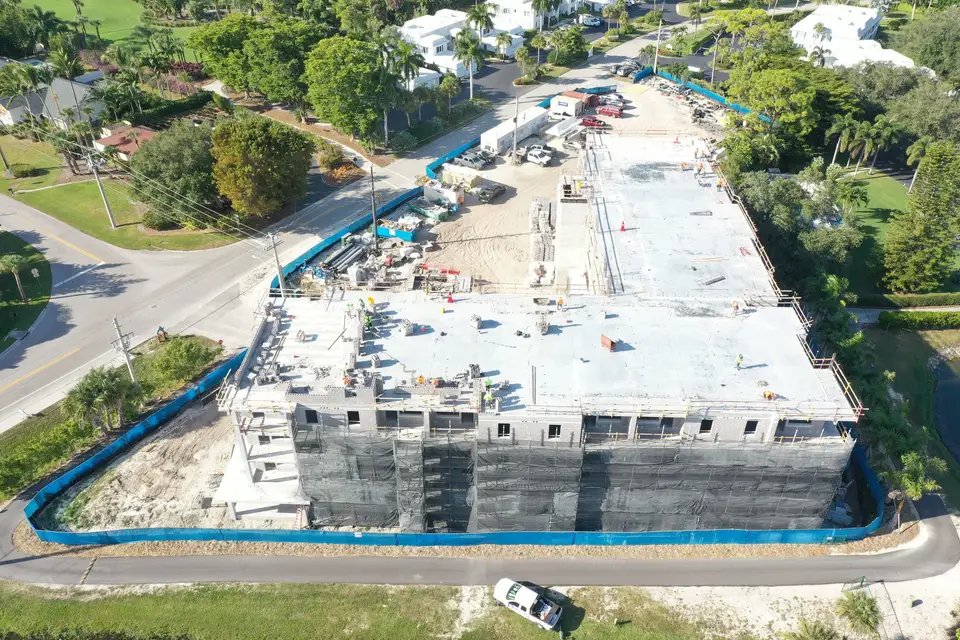
Red-flag answer. Samples that are all one kind of shot, or “I can’t share client work.” Look for a range of real projects and ask which ones match yours. You can see the range of what PDS has flown on our work page, from roofs to high-rises to construction sites.
9. What will the finished work let me do?
Why it matters. This is the question that separates a product from a pile of files. The useful answer is a list of things you can do afterward: send a roof report to an insurer, compare this month’s site to last month’s, share a link with a lender, give a board a record of a community’s roofs, hand a punch list to a contractor. If the answer is “you get the photos,” you are buying raw material and doing the rest yourself.
Red-flag answer. A list of megapixels and flight times. Ask what the next step looks like once the drone lands, and who does it.
The answers side by side
| Question | Good answer | Red flag |
|---|---|---|
| Certificate | Named pilot, certificate available to see | Company is certified, pilot unclear |
| Insurance | Certificate emailed the same day | Personal policy, no proof |
| Airspace | Asks for your address first | Never mentions it |
| Ownership | Usage terms in writing | Everything is standard |
| Delivery | Organized, searchable, kept | Link that expires |
| Weather | Reschedules without penalty | Flies regardless |
| Samples | Range of real jobs like yours | One style of reel |
A checklist to use on the phone
Before you sign
On price: do not use it to sort the list. Starting prices at PDS are $200 for aerial media, $200 for inspections and $200 per flight for progress documentation, and the full picture is on our pricing page. A low quote that skips insurance, airspace and a usable deliverable is only low until the first problem. The cost of a roof inspection and what changes it is in our roof inspection cost guide.
What are the most important questions to ask before hiring a drone company?
Should a drone company show me their insurance?
Who owns the photos and video a drone company delivers?
What happens if weather cancels the flight?
Can any drone company fly near an airport in Florida?
Ready to compare a company against this list? Ask us all nine.
Request a quote