Legality & Privacy
Drone Pre-Flight Checklist: What a Part 107 Pilot Checks
A drone pre-flight checklist built on 14 CFR 107.49: airspace, weather, aircraft, people and the site. See what a pro confirms before every flight.
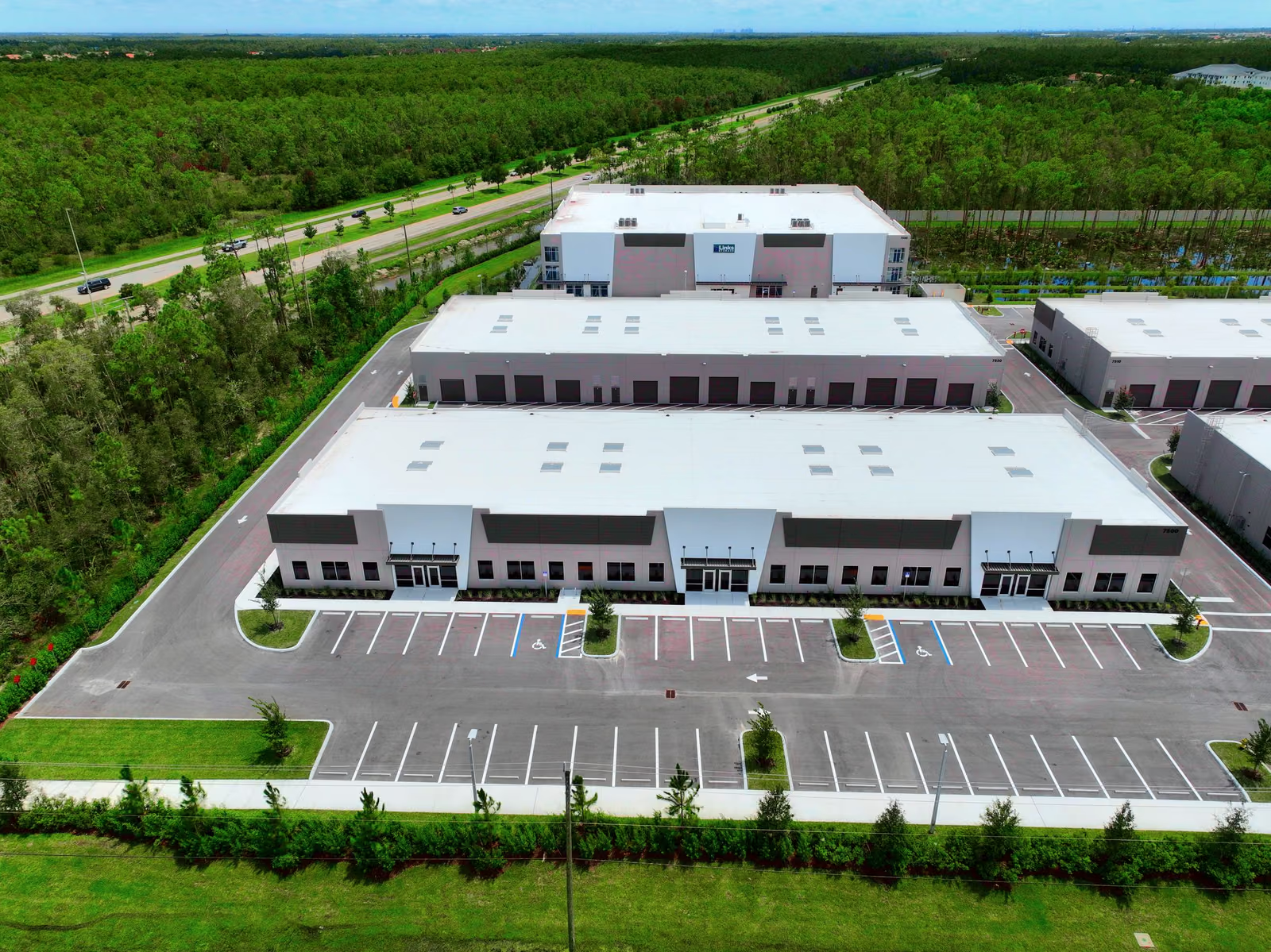
A good drone pre-flight checklist covers five things: airspace, weather, the pilot, the aircraft and the site. Federal rule 14 CFR 107.49 requires a Part 107 pilot to do the substance of all five before every flight, and the checklist is how a professional shows it was done. This drone safety checklist is the one a licensed pilot runs, with the reasoning behind each line.
Not legal advice
This article is informational and educational. It does not constitute legal advice and does not replace consultation with an attorney, a certified remote pilot, or the FAA. Regulations can change — always verify current rules with the official source before acting.
Key takeaways
- 14 CFR 107.49 sets the pre-flight duties: assess the environment, brief participants, check the aircraft and secure the payload.
- Airspace is checked at the address on the day, not assumed from the last job.
- Part 107 weather minimums are 3 statute miles of visibility and 500 ft below and 2,000 ft horizontally from clouds.
- If any check fails, the flight waits.
What does a drone pre-flight checklist have to cover?
The rule is short. Under 14 CFR 107.49, before each flight the remote pilot must assess the operating environment, including weather, local airspace, the location of people and property, and other ground hazards. They must make sure everyone directly participating knows the conditions, emergency procedures and their roles. They must confirm the aircraft is in condition for safe operation, with enough power and a secure link, and that any attached payload is secure.
Nothing in the rule says “use this form.” That is why professionals write one: a repeatable list is what stops a tired pilot on the fourth flight of the day from skipping the step that mattered.
Airspace and authorization
Airspace and paperwork
Controlled airspace is common in Southwest Florida, with Southwest Florida International (RSW), Page Field and Naples (APF) all shaping the map. Under 14 CFR 107.41 a pilot needs FAA authorization to fly in that airspace, and automatic LAANC approvals come with a height ceiling by map square. Look up any address in the airspace checker.
Florida adds a state rule. Fla. Stat. 330.41 restricts drone operation over critical infrastructure facilities, such as certain power, water and correctional sites. A pilot who flies near plants, substations or similar facilities confirms the rule before launching.
Weather and conditions
Weather and light
The visibility and cloud numbers come from 14 CFR 107.51, and night flight rules from 14 CFR 107.29. Wind limits are not in the regulation; they come from the aircraft’s manufacturer and the pilot’s judgment. In Florida the useful habit is reading the radar twice, once at planning and once at the site, because summer storms build fast.
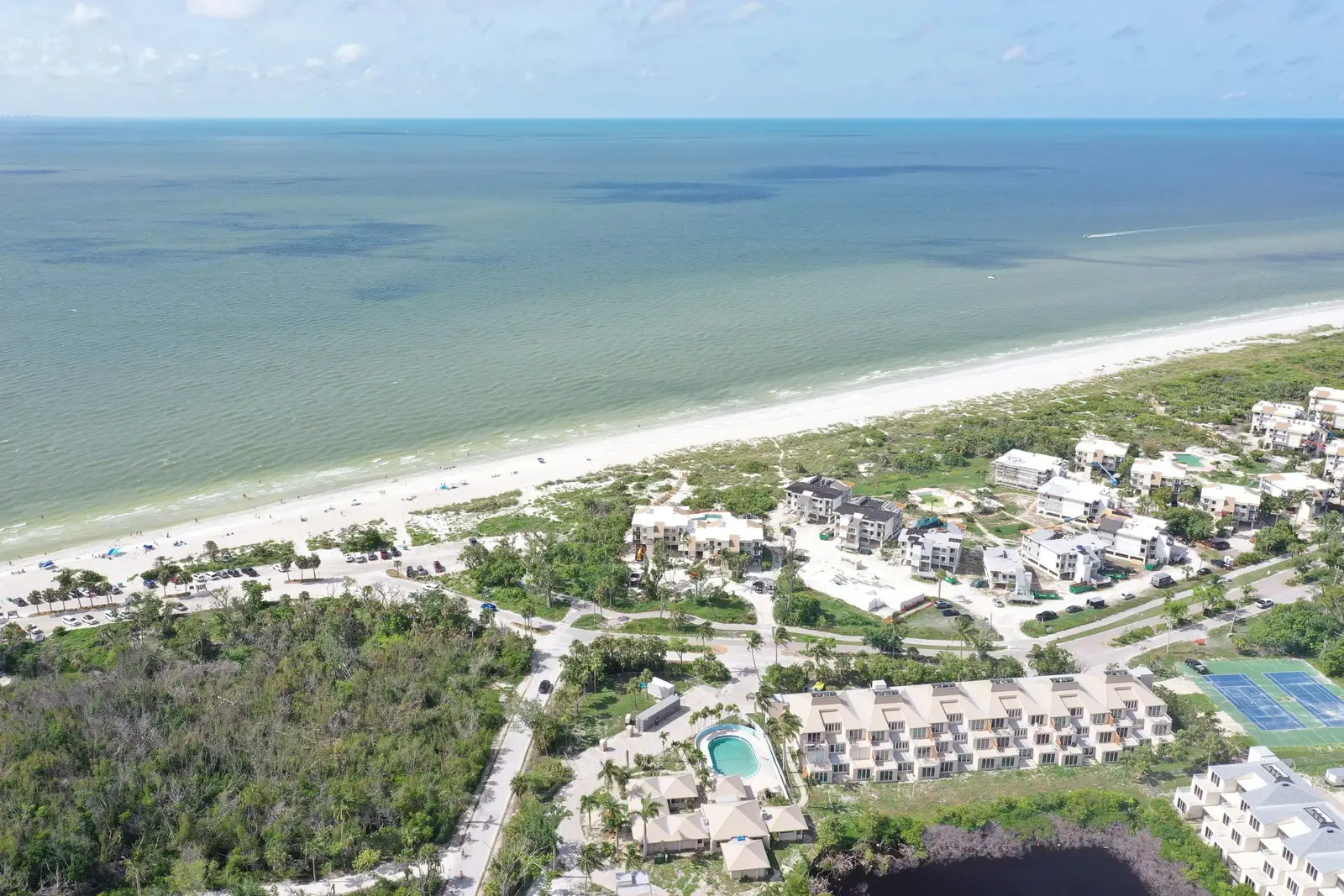
The pilot and the aircraft
Pilot and aircraft
14 CFR 107.17 bars flying within 8 hours of drinking alcohol, while impaired, or with a blood alcohol level of 0.04 or higher. 14 CFR 107.15 requires the aircraft be in condition for safe operation. If a prop is cracked or a battery is swollen, the aircraft does not fly, whatever the schedule says. Broadcast identification is its own rule, covered in what FAA Remote ID is.
The site, the people and the plan
Site and mission
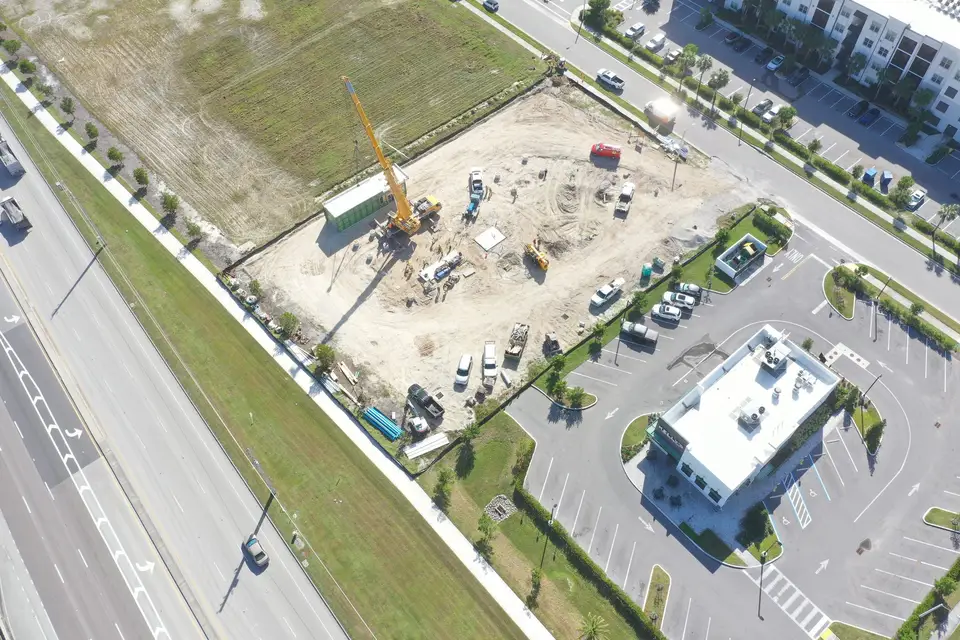
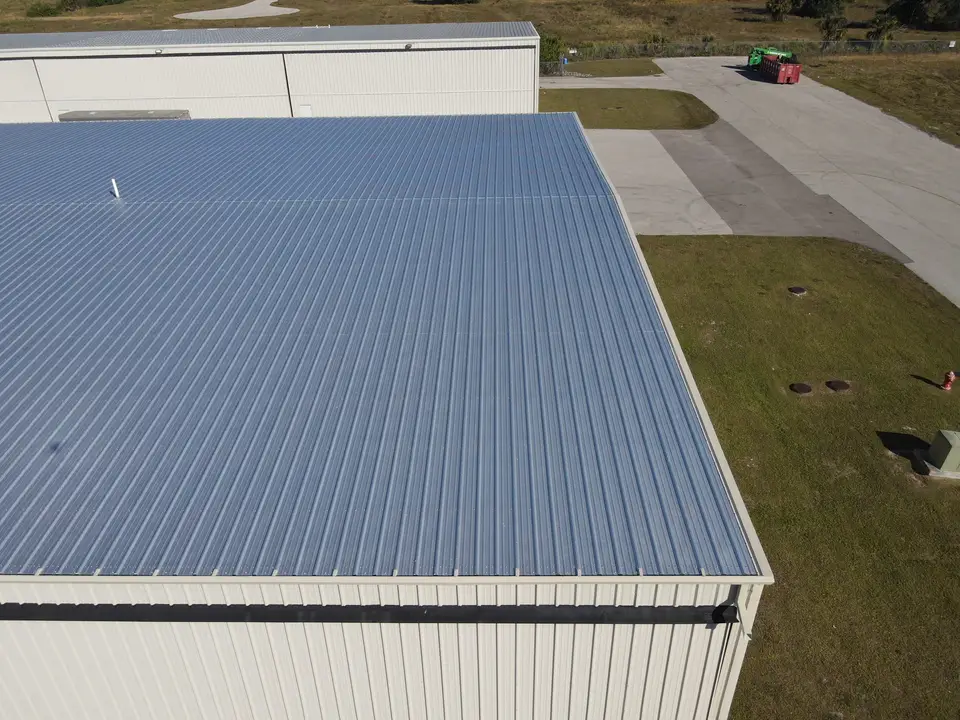
Visual line of sight is 14 CFR 107.31. Flying over people who are not part of the operation is governed by 14 CFR 107.39 and its four categories, so a pilot plans the route around them. A professional also sets a clear plan for lost link or a bad gust, since the pilot in command is responsible for the aircraft posing no undue hazard if control is lost (14 CFR 107.19).
Which rules sit behind the checklist?
| Check | Rule | The requirement |
|---|---|---|
| Pre-flight actions | 14 CFR 107.49 | Assess environment, brief participants, check aircraft and payload |
| Airspace | 14 CFR 107.41 | FAA authorization to fly in controlled airspace |
| Weather | 14 CFR 107.51 | 3 statute miles visibility, 500 ft below and 2,000 ft away from clouds |
| Altitude and speed | 14 CFR 107.51 | 400 ft AGL with a structure exception, 100 mph groundspeed |
| Line of sight | 14 CFR 107.31 | Pilot or observer can see the aircraft unaided |
| People below | 14 CFR 107.39 | Operations over people limited by category |
| Pilot fitness | 14 CFR 107.17 | No flying within 8 hours of alcohol or while impaired |
On the altitude row, the structure exception is its own story: read can drones fly above 400 feet.
Why does the checklist matter when you hire a pilot?
Because it is the visible sign of the invisible work. A client rarely sees the airspace check, the battery inspection or the site walk, but those are the minutes that keep a roof inspection, a progress flight or a high-rise facade pass uneventful. PDS is Part 107 certified and fully insured, with 3,000+ flights completed, and the list runs before every one. For more on choosing an operator, see how to hire a drone pilot.
Is a drone pre-flight checklist required by the FAA?
What should be on a drone safety checklist?
Who is responsible for the pre-flight checks?
What weather limits apply to commercial drones?
What happens if a check fails?
Hire a pilot who checks first.
Request a quote