Legality & Privacy
Can Drones Fly Above 400 Feet? The FAA Rule and Structure Exception
The FAA caps most drone flights at 400 ft, but a licensed pilot can fly 400 ft above a tall structure. Here is how the rule works near towers and airports.
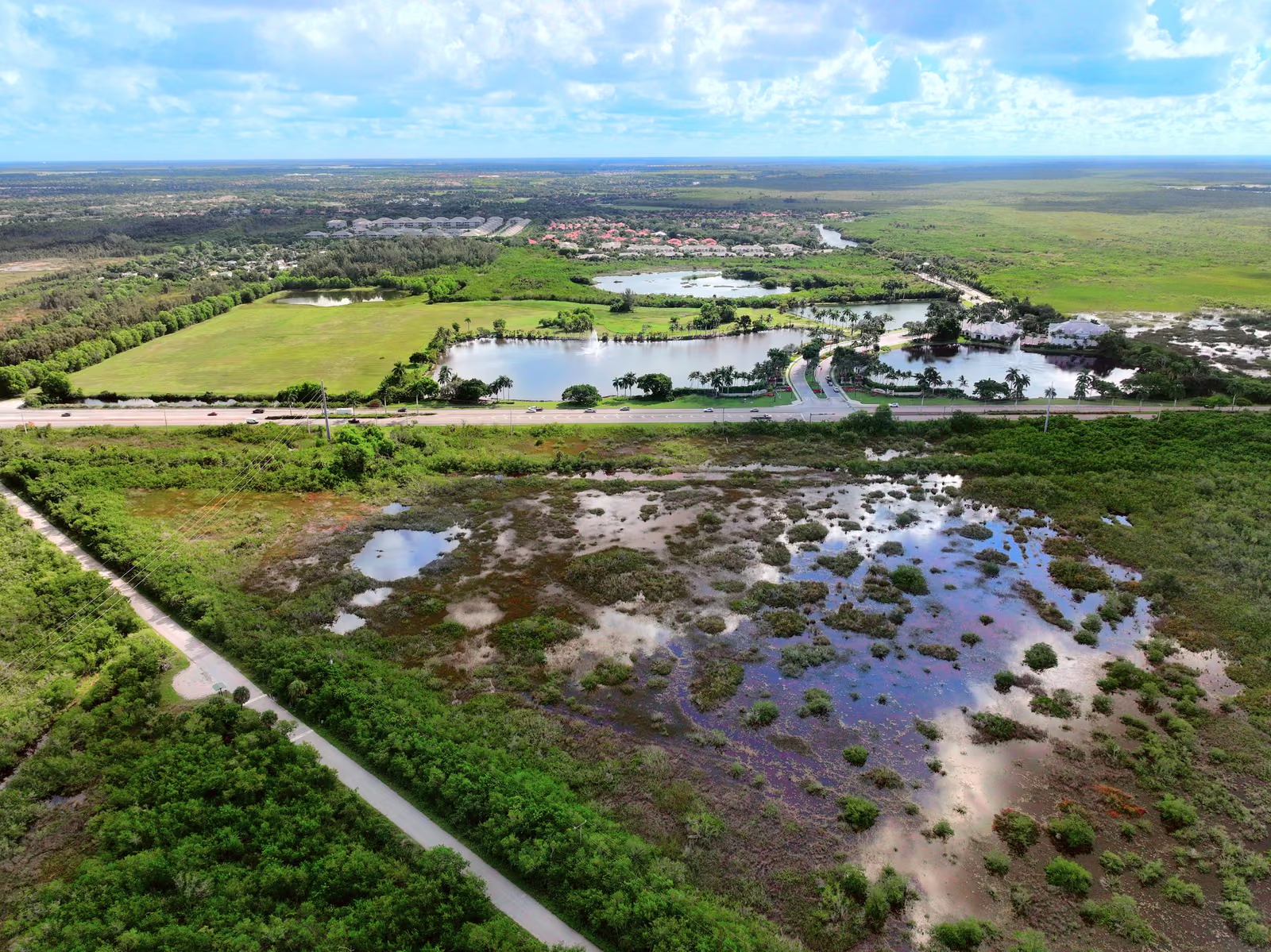
Most people know drones top out at 400 feet. Fewer know that a licensed pilot can legally fly above 400 feet, as long as they stay close to a tall structure. That exception is the reason a drone can inspect the roof of a 30-story condo tower, and it is one of the clearest differences between a hobby flight and a commercial one.
Not legal advice
This article is informational and educational. It does not constitute legal advice and does not replace consultation with an attorney, a certified remote pilot, or the FAA. Regulations can change — always verify current rules with the official source before acting.
Key takeaways
- The normal ceiling for a drone is 400 ft above ground level (AGL).
- Part 107 pilots can fly up to 400 ft above a structure while staying within 400 ft of it.
- Hobby flyers get no structure exception.
- Near airports you still need FAA authorization for the altitude you fly.
Can drones fly above 400 feet? The rule in one sentence
Under 14 CFR 107.51(b), a small drone may not fly higher than 400 feet above ground level, unless it stays within a 400-foot radius of a structure and flies no higher than 400 feet above the structure’s top.
The first half is the rule everyone knows. The second half is the exception, and it changes what a licensed pilot can do around anything tall: condo towers, hospitals, cell towers, cranes, stadiums and water towers.
What the altitudes actually look like
For most jobs, the ceiling is never the limit. Drag through real PDS jobs shot from 50 to 400 feet to see what each height shows.
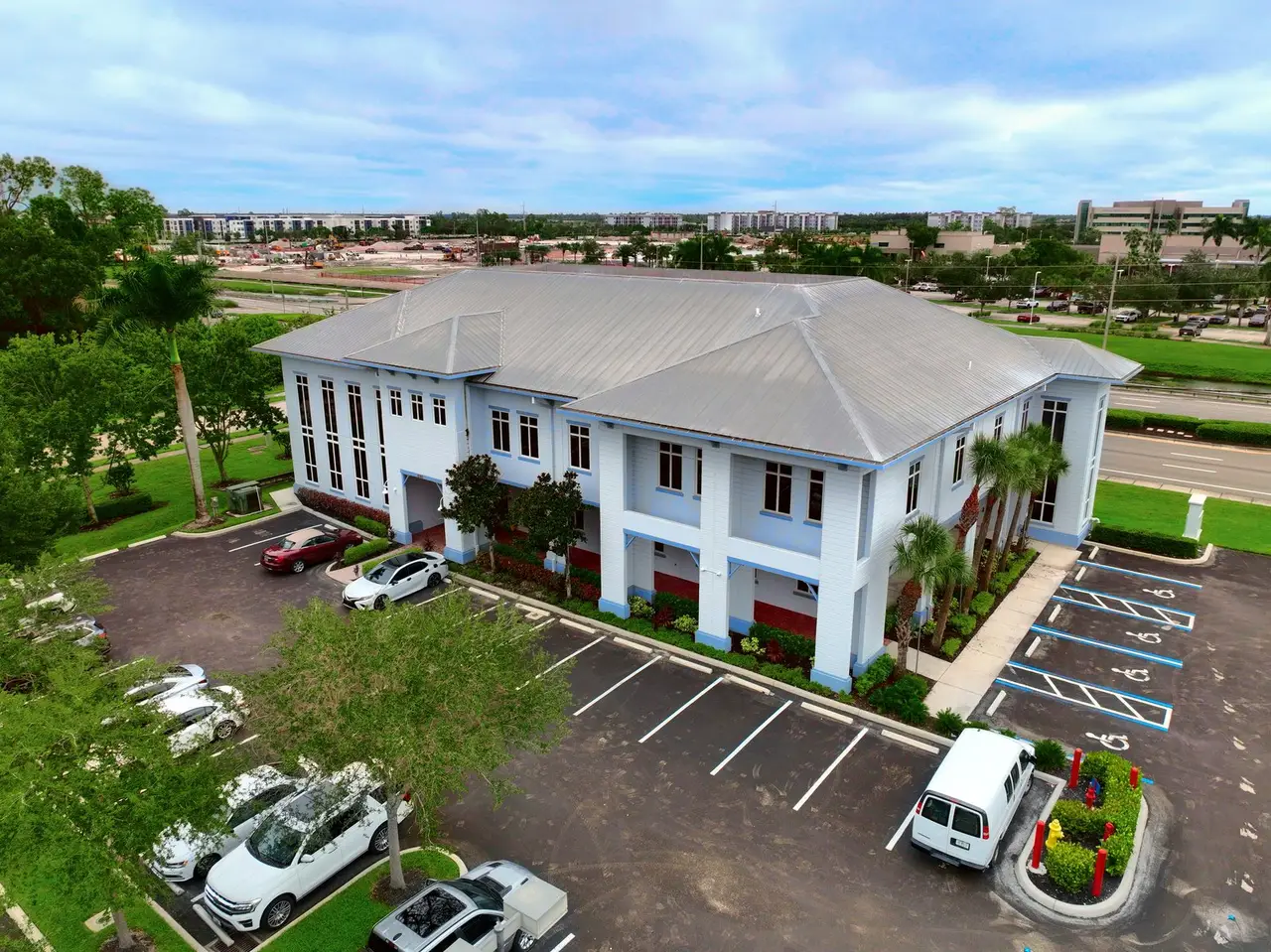
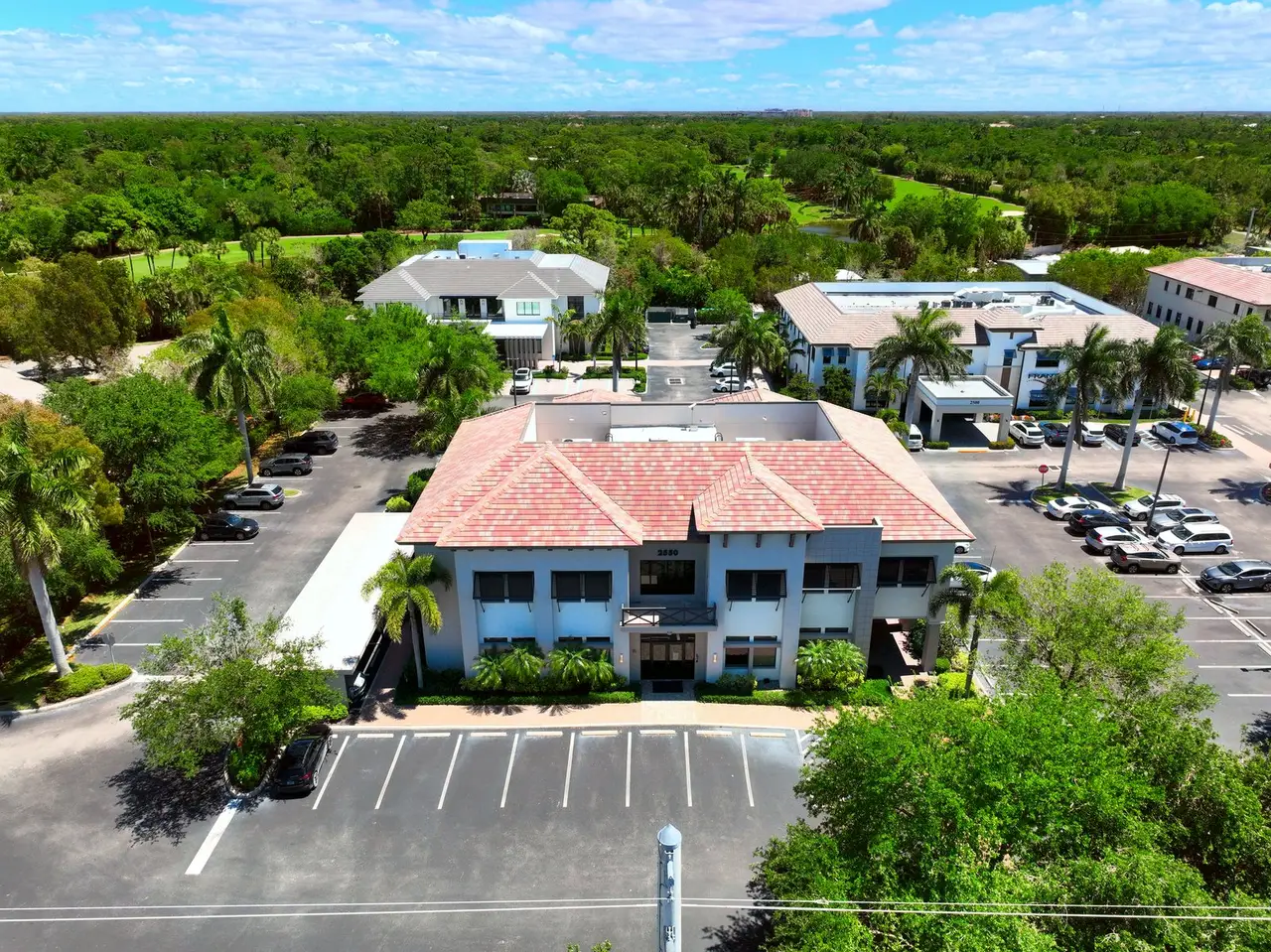
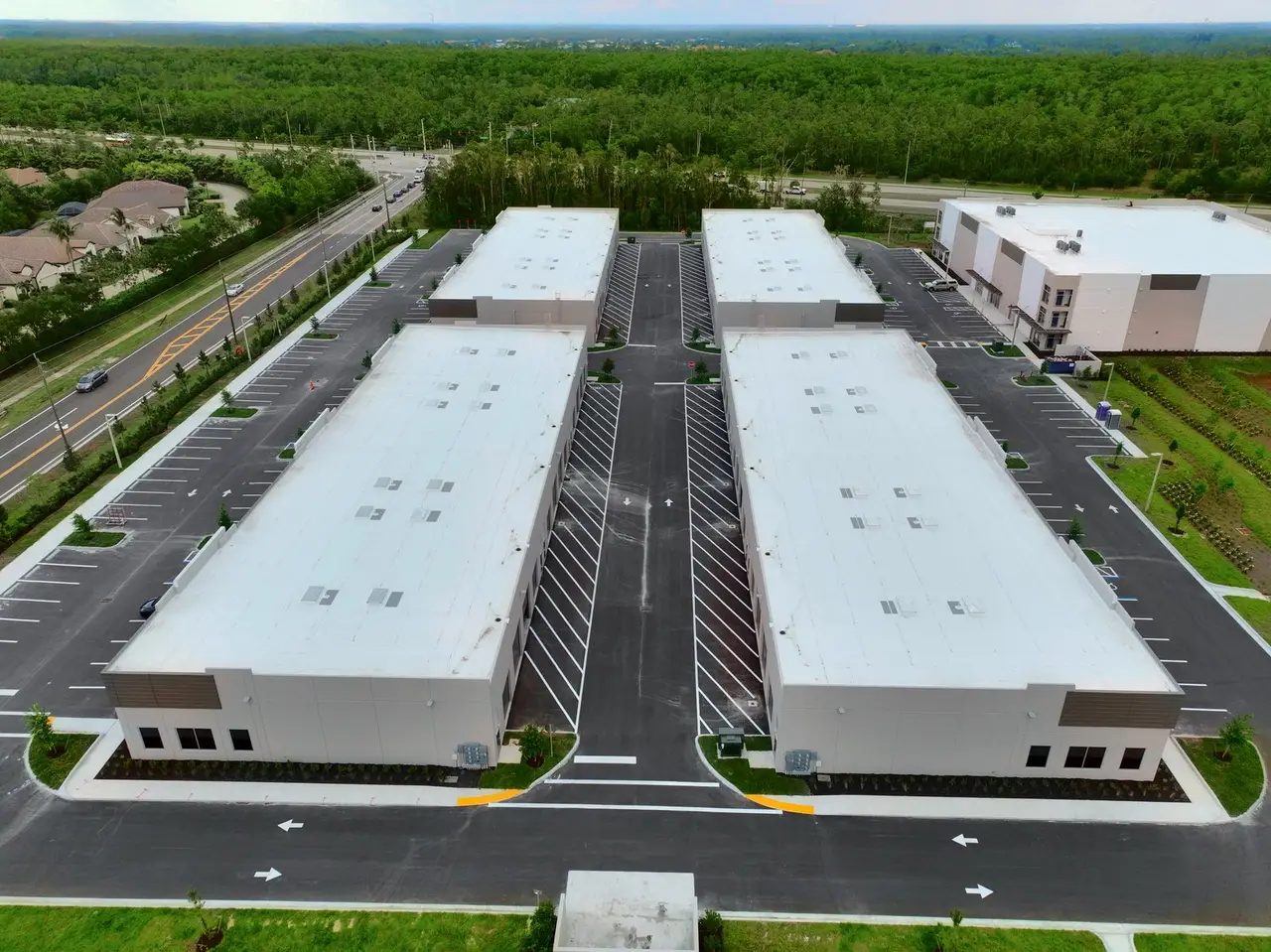
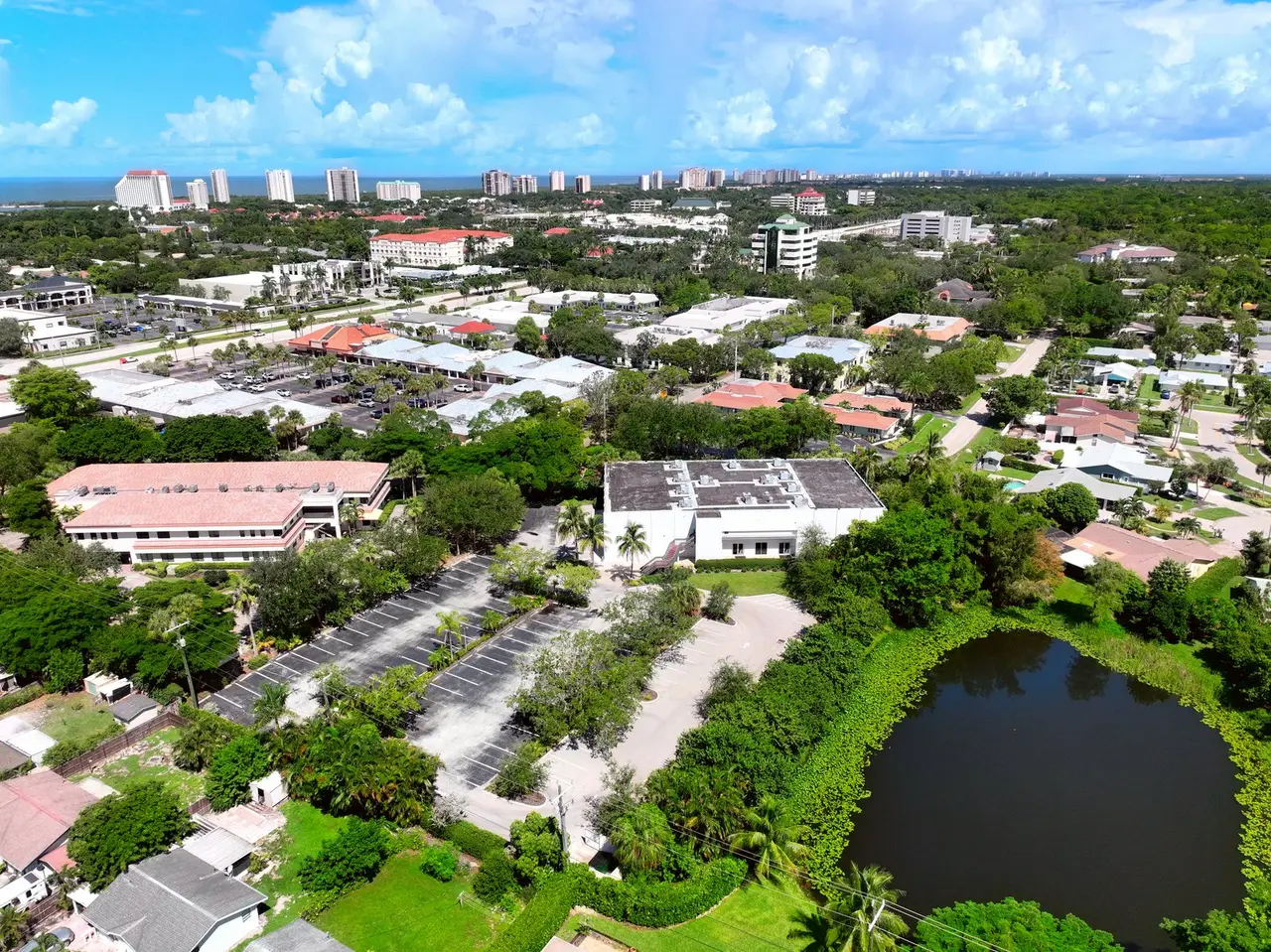
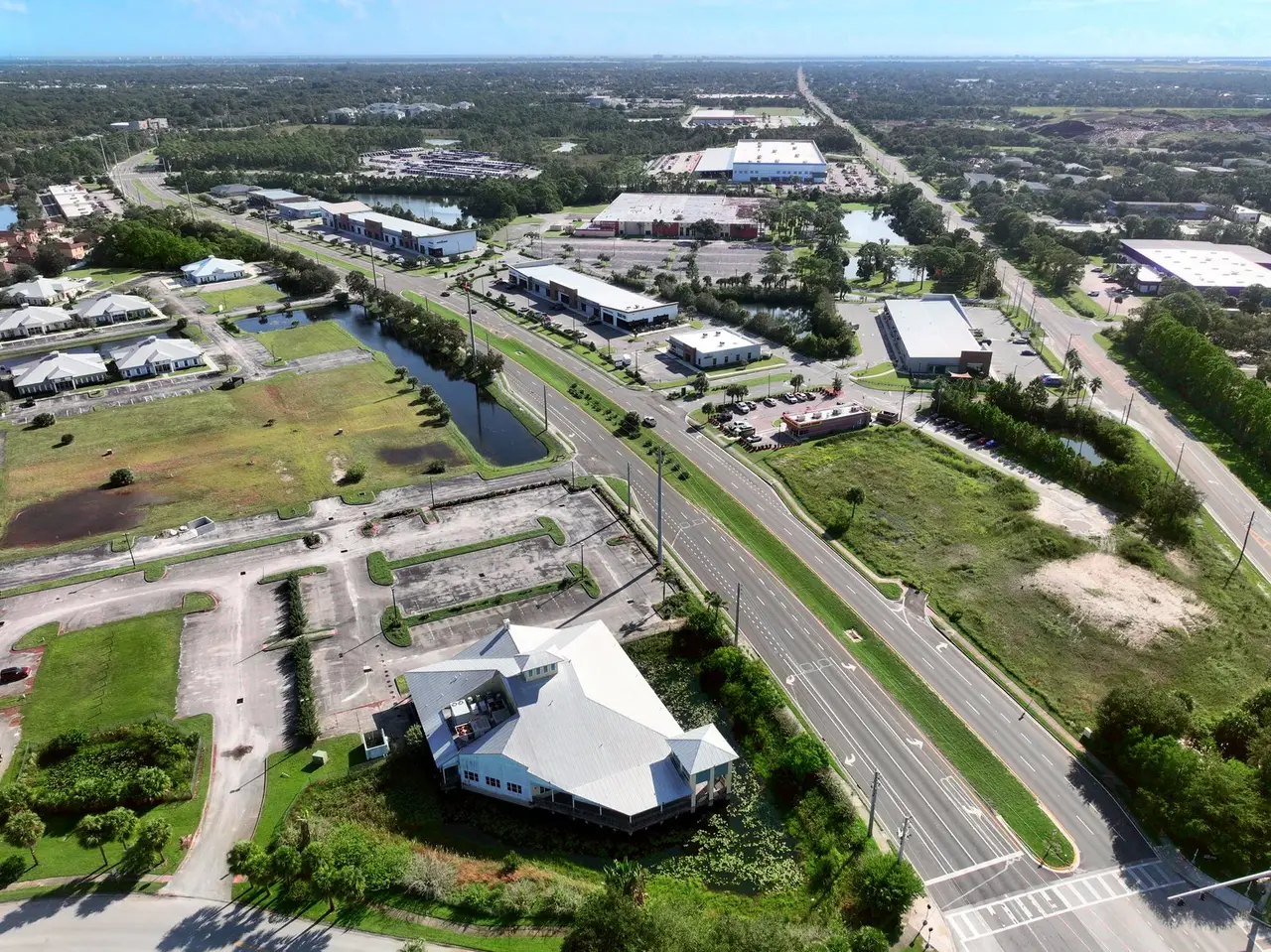
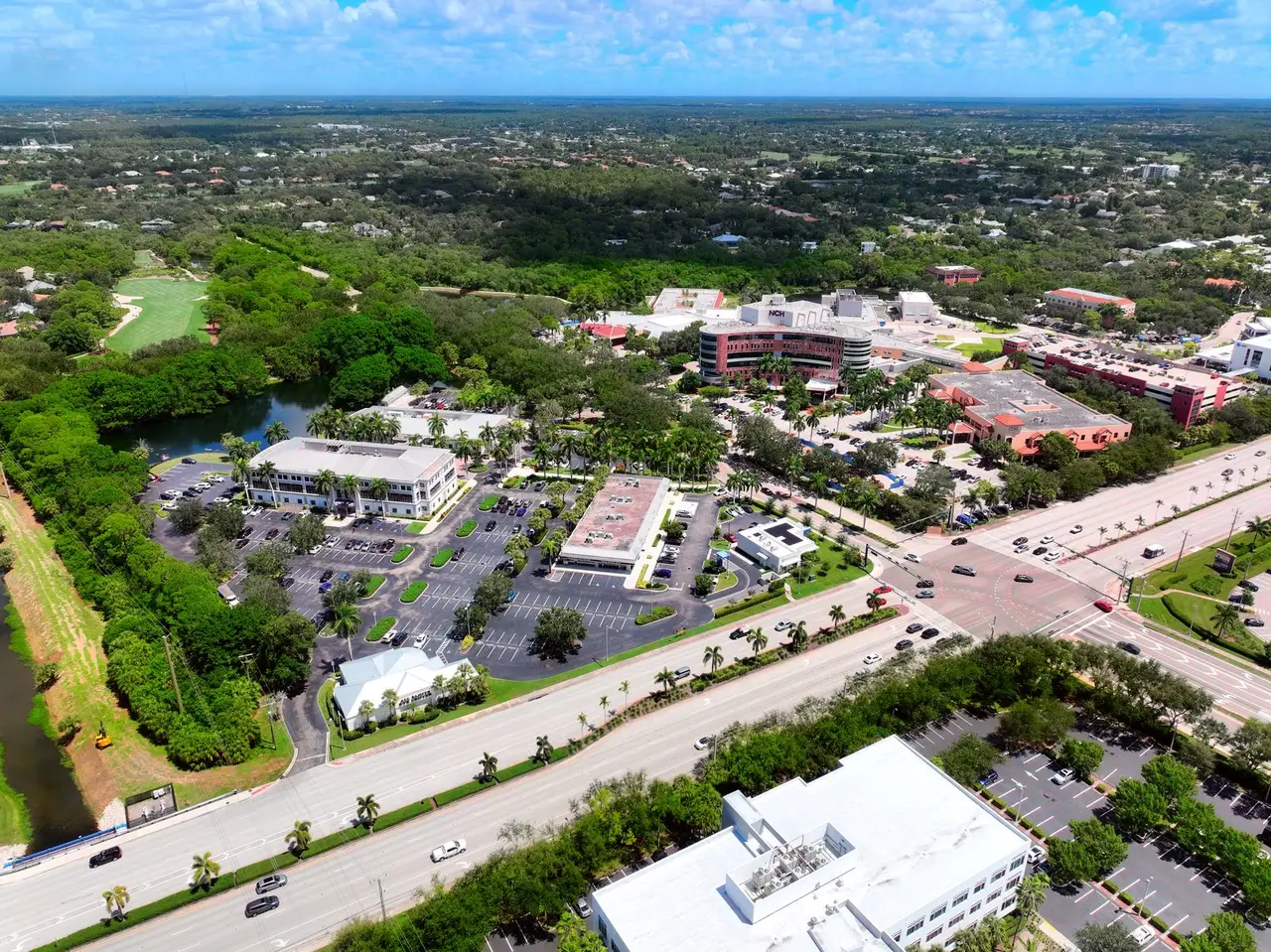
At 50 to 150 feet you read a building: rooflines, tile condition, entrances and parking. At 200 to 300 feet you see the whole site and how it sits on the road. At 400 feet you get the neighborhood, which is what sells a commercial listing or shows an owner where their project sits in the area.
How the structure exception works
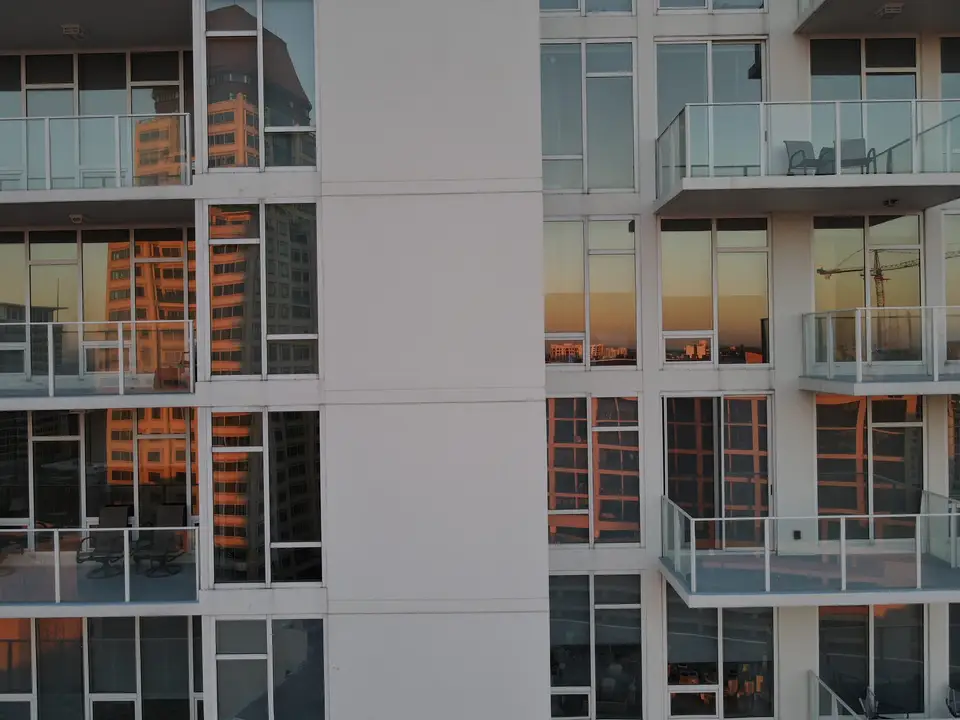
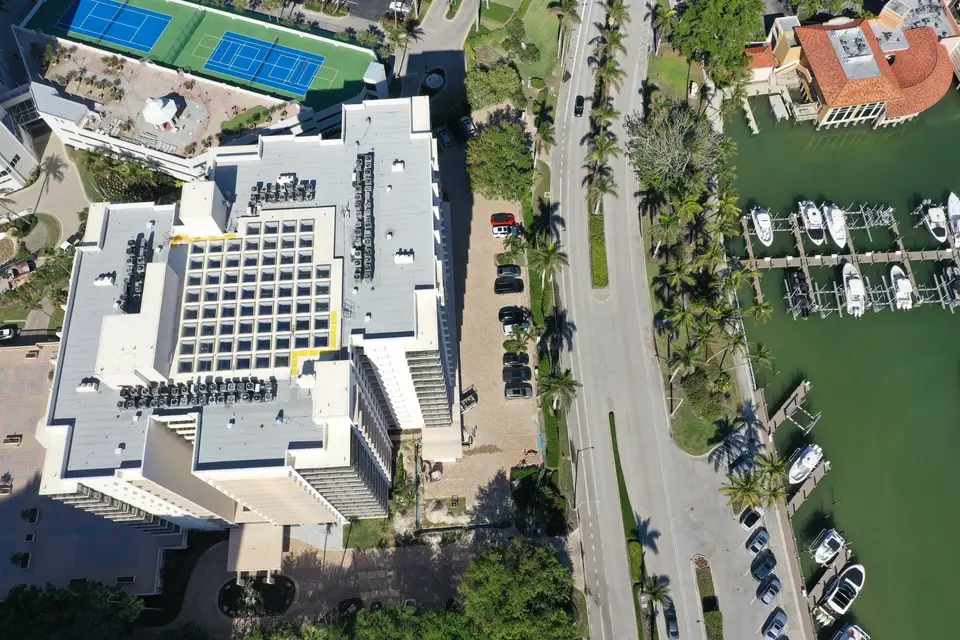
Picture a 300-foot condo tower. Away from the tower, the ceiling is 400 feet above the ground like anywhere else. Inside a 400-foot circle around the tower, the ceiling rises to 400 feet above the roof of the tower, which is 700 feet above the ground.
That is what lets a pilot fly the full face of a high-rise, look down on its roof and rooftop equipment, and frame the top of the building against the skyline, all without a waiver.
The limits that come with it:
- Stay inside the circle. The raised ceiling only applies within 400 feet of the structure, measured horizontally. Drift outside it and the ceiling drops back to 400 feet AGL.
- The structure has to be real. It means a building, tower or similar structure. A tree line or a hill does not count, because altitude is already measured from the ground under the drone.
- Every other rule still applies. The pilot keeps the drone in sight, stays at least 500 feet below and 2,000 feet away from clouds, and needs at least 3 miles of visibility.
Near an airport, airspace comes first
The structure exception sets how high the rule allows. It does not give permission to be in controlled airspace. Around airports like Southwest Florida International (RSW), Page Field and Naples Airport (APF), the airspace is controlled from the ground up, and a pilot needs FAA authorization before launching.
Most of that authorization runs through LAANC, which approves flights automatically in minutes. Each square of the map near an airport has a ceiling, anywhere from 0 to 400 feet, and LAANC will not approve anything above it. A tall-building job near an airport that needs more height requires a separate FAA authorization, filed in advance, and it can take weeks.
You can see what any Florida address allows with our airspace checker. If your building sits in a low square, plan for that early.
Hobby flight vs. licensed flight
| Rule | Hobby flyer | Part 107 pilot |
|---|---|---|
| Normal ceiling | 400 ft AGL | 400 ft AGL |
| Higher near a structure | Not allowed | Up to 400 ft above the top, within 400 ft of it |
| Paid or business work | Not allowed | Allowed |
| Controlled airspace near airports | Approval required | Approval required, up to the map ceiling |
| Higher than the LAANC ceiling | Not available | Separate FAA authorization |
If someone offers to fly your building for free on their weekend drone, this table is the reason to say no. They can’t legally go above 400 feet near your tower, and they can’t be paid for the work.
What this means for your job
For a roof, a property video or a progress flight, 400 feet is more than enough and the exception never comes up. It matters when the subject is tall:
- High-rise condo and hotel towers: full facade passes, balcony and sealant checks, and rooftop equipment. See why drones beat the cherry picker for high-rise inspections.
- Hospitals and campus towers: roof membrane and rooftop unit inspections without roof access.
- Construction on tall buildings: progress views that show the top deck and the crane, not just the podium. See progress documentation.
- Cell towers and water towers: close inspection of equipment at the top.
We check the airspace, the building height and the authorization before we quote, so you know what is possible before anyone shows up on site.
Can a drone fly higher than 400 feet?
Does the structure exception apply to hobby flyers?
Does the structure exception work near an airport?
How high does a drone fly for a roof inspection?
What does AGL mean?
Have a tall building to inspect? We'll check the airspace first.
Request a quote