Construction
High-Rise Drone Inspection: Faster and Safer Than a Lift
A high-rise drone inspection covers every facade and balcony without rope crews or swing stages. See how it works, what you get and why it is safer.
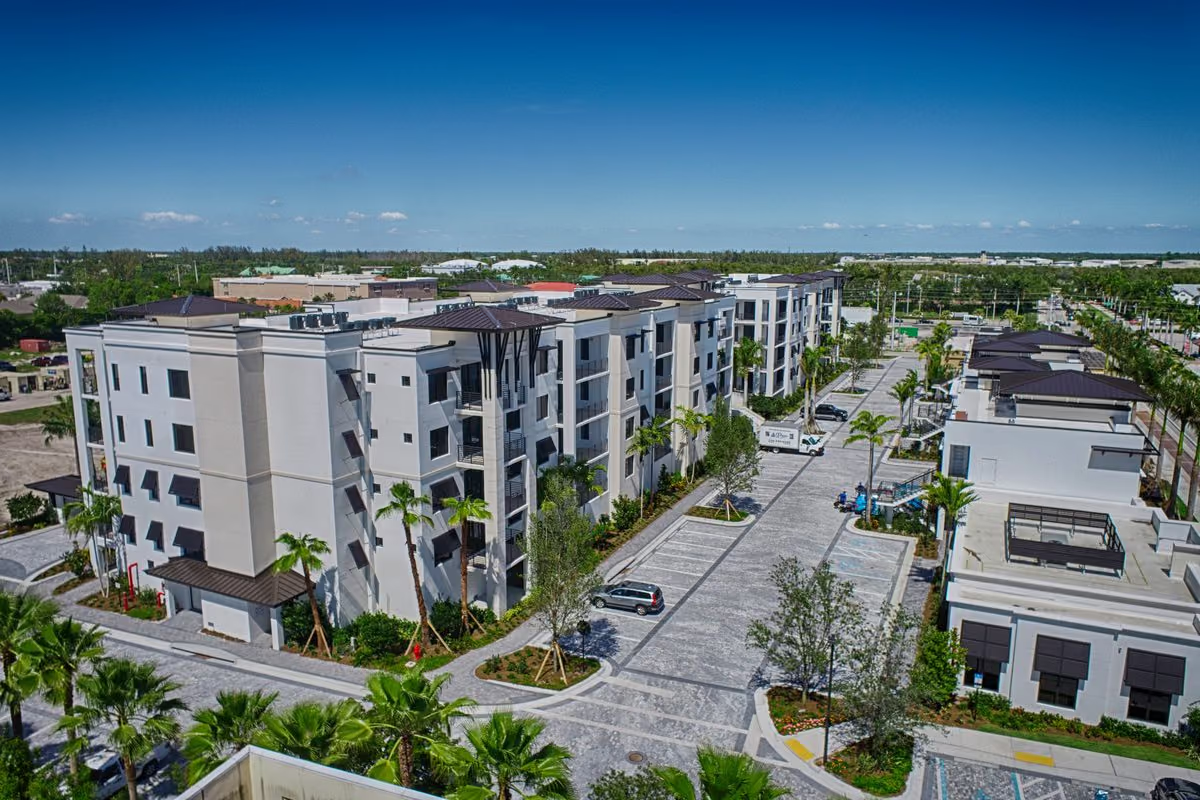
A high-rise drone inspection photographs every facade, balcony and rooftop of a tall building from the air, without a lift, a swing stage or a rope crew. It is faster to schedule, safer for everyone, and leaves you with a dated record you can compare against the next flight.
Not legal advice
This article is informational and educational. It does not constitute legal advice and does not replace consultation with an attorney, a certified remote pilot, or the FAA. Regulations can change — always verify current rules with the official source before acting.
Key takeaways
- A drone reaches facades a cherry picker cannot, without putting a person on a line.
- Every shot is dated and located, so a defect ties to a spot on the building.
- A re-flight is cost effective, so you can watch a crack or sealant joint change over time.
- The photos show a rope team exactly where to go, so hands-on work is targeted.
How is a high-rise inspected the old way?
A traditional facade inspection is a logistics job before it is an inspection. Someone has to book a swing stage or rope access team, close a lane or a pool deck, get roof access to rig, and hope the weather holds. The crew then moves down the building one drop at a time. Residents live next to people hanging outside their windows, and the work takes days per elevation.
A cherry picker only helps up to a point. Booms top out far below the roofline of a tall condo, and the setup blocks the ground below.
How does a high-rise drone inspection work?
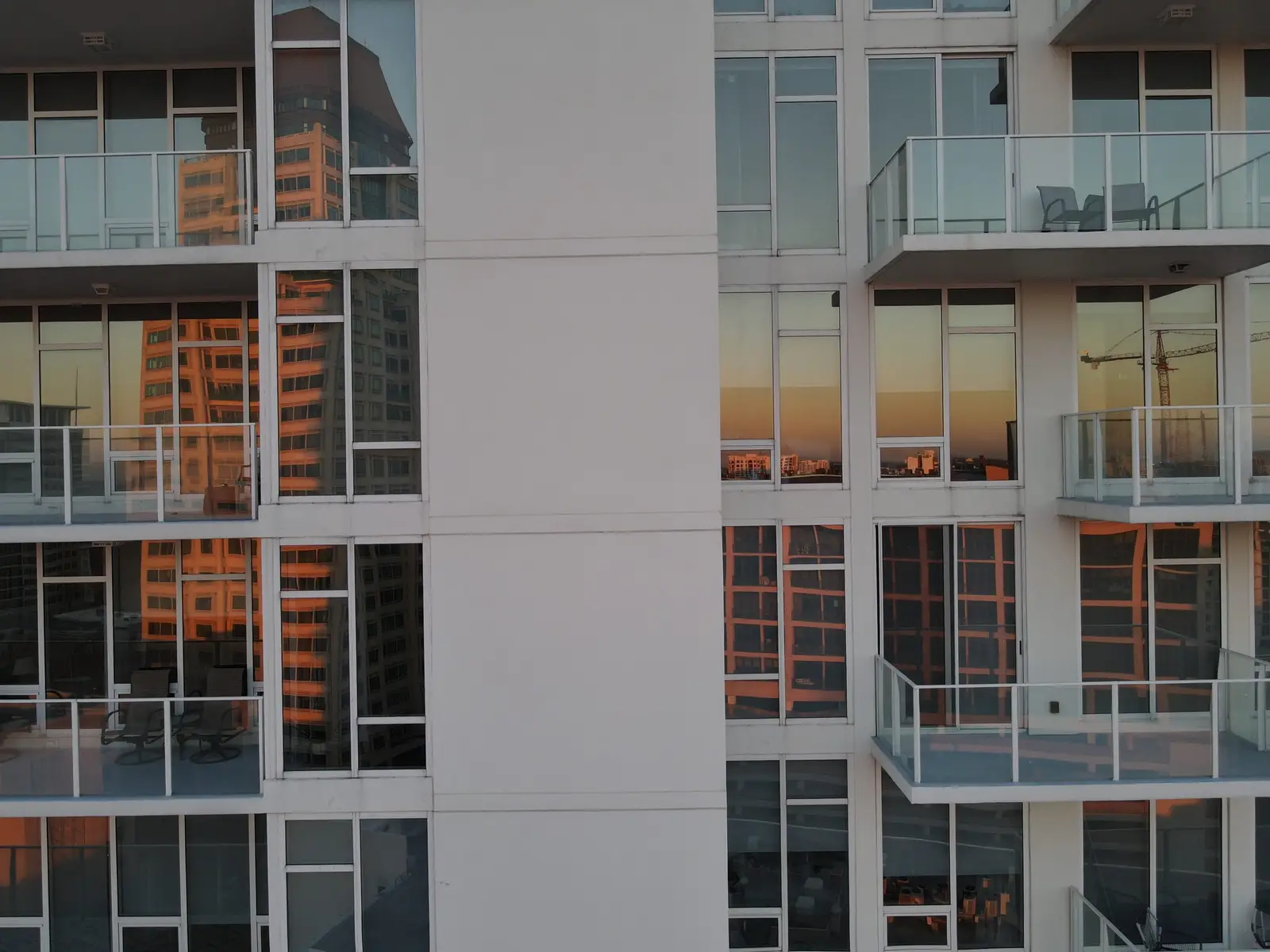
The pilot plans the airspace and the altitude, flies each elevation in passes from grade to roof, and captures close detail of balconies, window lines, sealant joints and coatings. The building stays open, nobody climbs, and the flights are over in hours rather than days.
| Task | Lift, stage or rope | Drone |
|---|---|---|
| Setup | Equipment booked, lanes closed, roof access for rigging | Pilot on site with the airspace plan |
| People aloft | A crew on lines or in a basket | Nobody |
| Coverage | The drops and reach you can afford | Every elevation, grade to roof |
| Disruption | Residents and traffic work around the crew | Flights run beside the building |
| Repeating it | Rig again | Re-fly the same angles |
| Record | Notes and photos from the drops | Dated, located images, comparable flight to flight |
Is it legal to fly a drone that high?
Yes, and tall buildings are exactly where one of the FAA’s exceptions applies. A Part 107 pilot can fly up to 400 feet above the top of a structure while staying within 400 feet of it. That is how a drone covers a condo tower whose roof stands well over the normal limit. The full explanation is in the 400 foot rule. Near airports, controlled airspace needs approval before the flight, and our airspace check is a good first look. We are fully insured and Part 107 certified.
What does the inspection find?
Facade work is about small signs before they grow. The camera reaches balconies and edges that are hard to see from the ground.
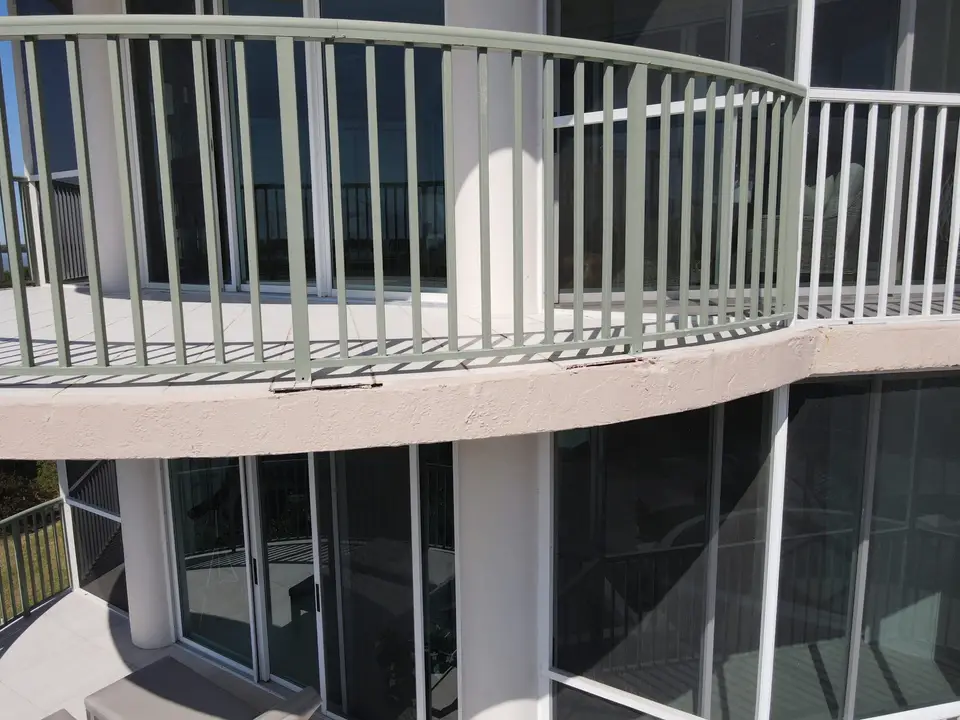
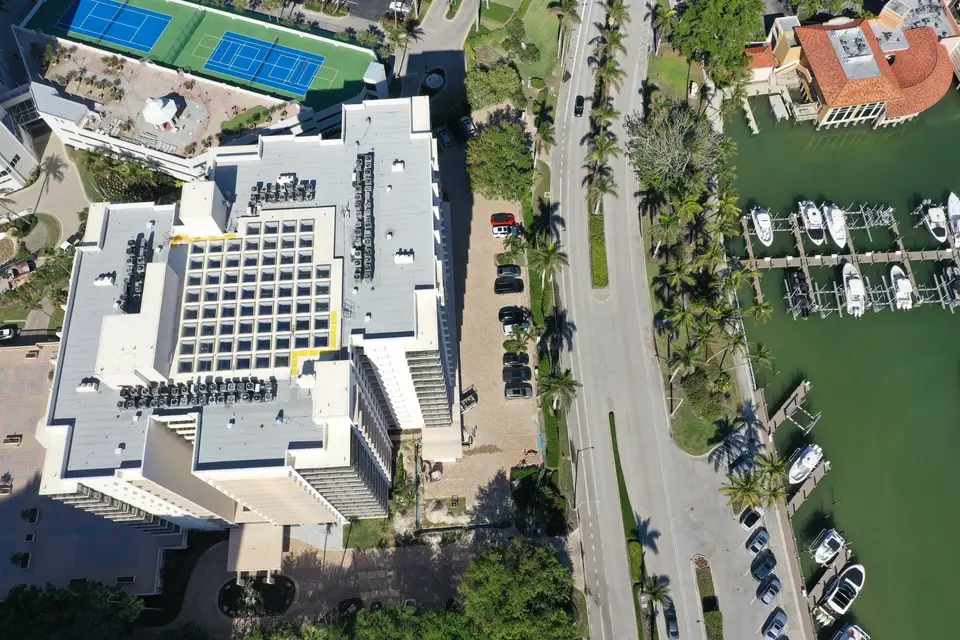
Typical targets include cracked or spalled concrete on balcony edges, failing sealant at joints and window lines, coating wear, rust staining, and rooftop equipment and drainage. For anything that looks off, the photos show the rope team or engineer exactly where to go, so the hands-on work is targeted instead of building-wide.
Can a drone see moisture?
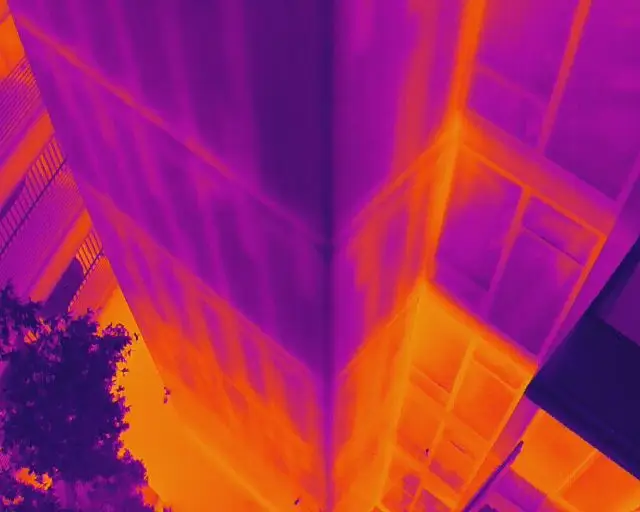
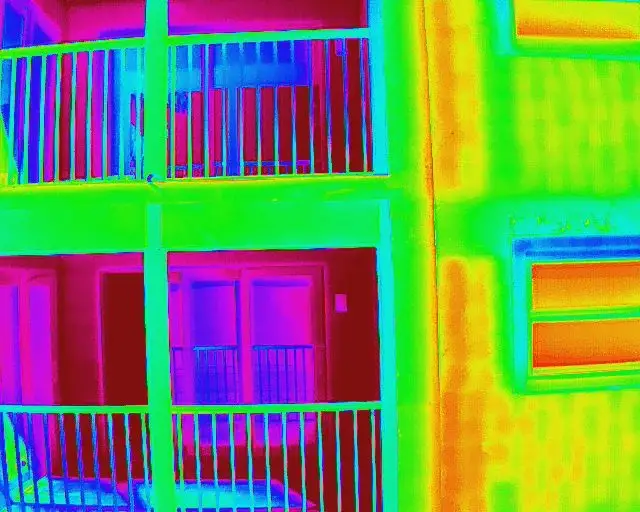
A thermal camera shows heat patterns across a facade. Wet or compromised areas hold and release heat differently from sound ones, which helps point to where water may be getting in. It does not diagnose the cause, and an engineer still decides what to open up. It does narrow the search.
Why the record matters more than the flight
A one-time photo tells you what the building looked like that day. A sequence of dated flights tells you how it is changing. That is what protects the asset and the budget: you see a crack widen or a sealant joint fail across two flights, rather than finding it after the water has spread. It also helps after storms, because a pre-storm facade record is the best answer to a question about what was already there. See why a pre-hurricane baseline protects your claim.
Every elevation, one timeline.
Findings are delivered in the Highrise Viewer, so you compare any two flights side by side and see exactly what changed on the facade. Managers, boards, engineers and insurers all see the same record.
See the Highrise Viewer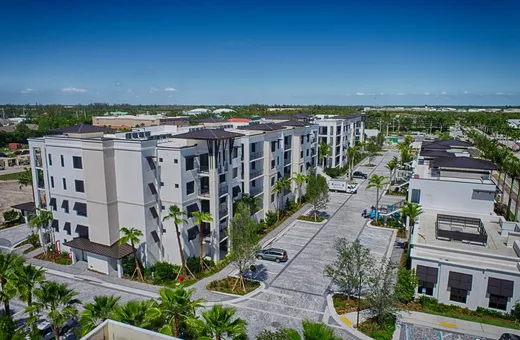
Who hires for high-rise inspections?
Condo associations planning repairs or reserve studies, building managers who want a condition record, engineers doing milestone and structural reviews, and roofers or restoration firms scoping work. Our inspection service starts at $200, and larger buildings are quoted by the job. Not sure what to expect? See what a drone roof inspection costs, which uses the same factors.
Is a high-rise drone inspection legal?
Does a drone catch the detail a close-up gives?
Do residents need to be notified or moved?
How often should a high-rise be documented?
Can a drone replace a structural engineer?
Document the whole facade.
Request a quote